Can Foreigners Buy Property in Japan?
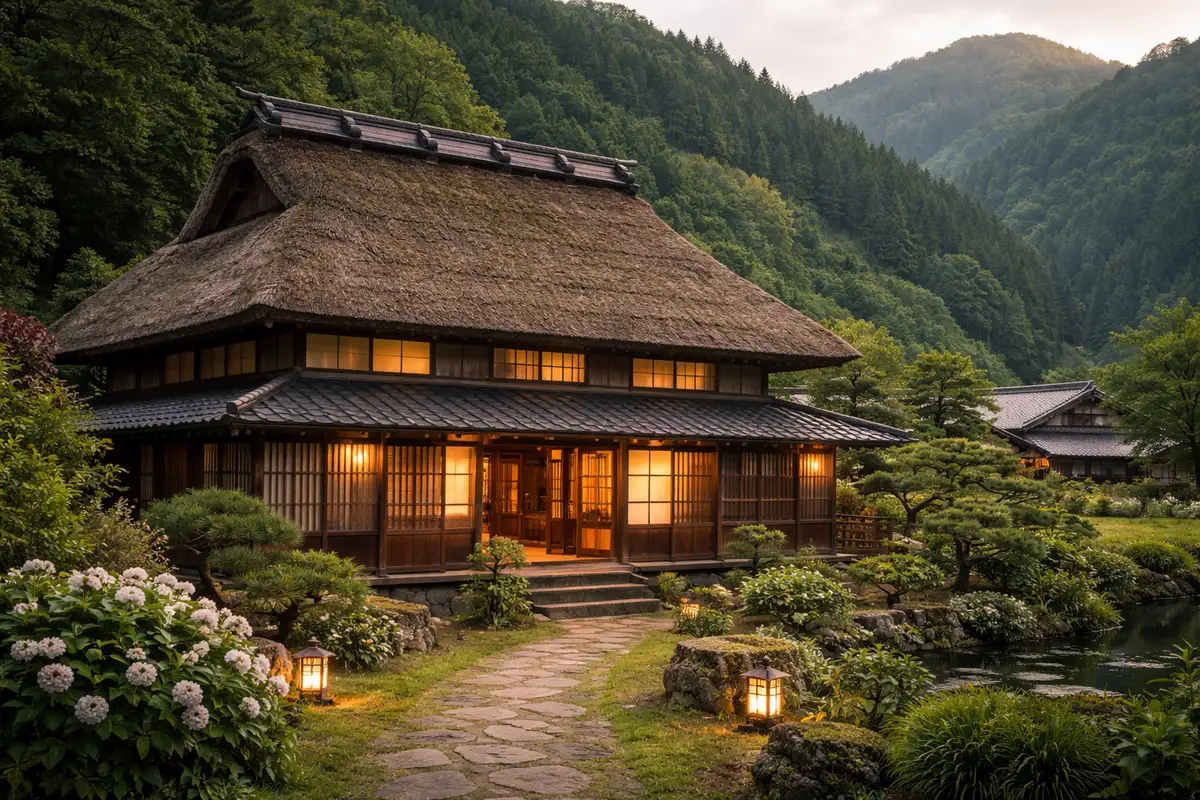
Let's get the big question out of the way first: yes, foreigners can buy property in Japan. No special visa. No residency requirement. No hidden catch.
Japan is one of the very few countries in Asia where non-citizens can purchase land and buildings with the exact same rights as a Japanese national. You can buy a house in Hokkaido from your living room in Texas, and the Japanese government genuinely doesn't mind.
That said, "can you" and "should you" are two very different questions. And the gap between signing a contract and actually enjoying your new home in the Japanese countryside is filled with paperwork, cultural nuance, and a few surprises nobody warns you about.
I've put together this guide to help you buy property in Japan — walking you through the entire process. Not the sanitized, brochure version, but the real one.
The one that includes the awkward phone calls, the property taxes nobody mentions, and the reason your dream ¥500,000 farmhouse might end up costing you ten times that.
The short answer: yes, you can
Japan places no restrictions on who can buy property in Japan. This applies to permanent residents and temporary visa holders alike, non-residents who have never set foot in Japan, and any nationality without exception.
You can buy a detached house, a condo, raw land, agricultural land (with some extra steps), commercial property — pretty much anything that's for sale. The title deed goes in your name, and it stays there.
This is unusual in Asia. Try buying land in Thailand, Indonesia, or the Philippines as a foreigner and you'll hit walls fast. Japan is wide open. Whether you're American, British, Australian, Canadian, or any other nationality — the process and rights are identical.
Since April 2025, Japan introduced new regulations around foreigners acquiring farmland. The rules vary by prefecture, so always check with the local Agricultural Committee if your property includes agricultural land.
What you should know before you start looking
Before you start scrolling through listings at 2am, there are a few things worth understanding about how the Japanese property market actually works. It's different from what you're used to, and those differences matter.
Houses depreciate. Land holds value.
In most Western countries, your house appreciates over time. In Japan, it's the opposite. A typical wooden residential building is considered worthless after 20–30 years. The land underneath it is what retains value.
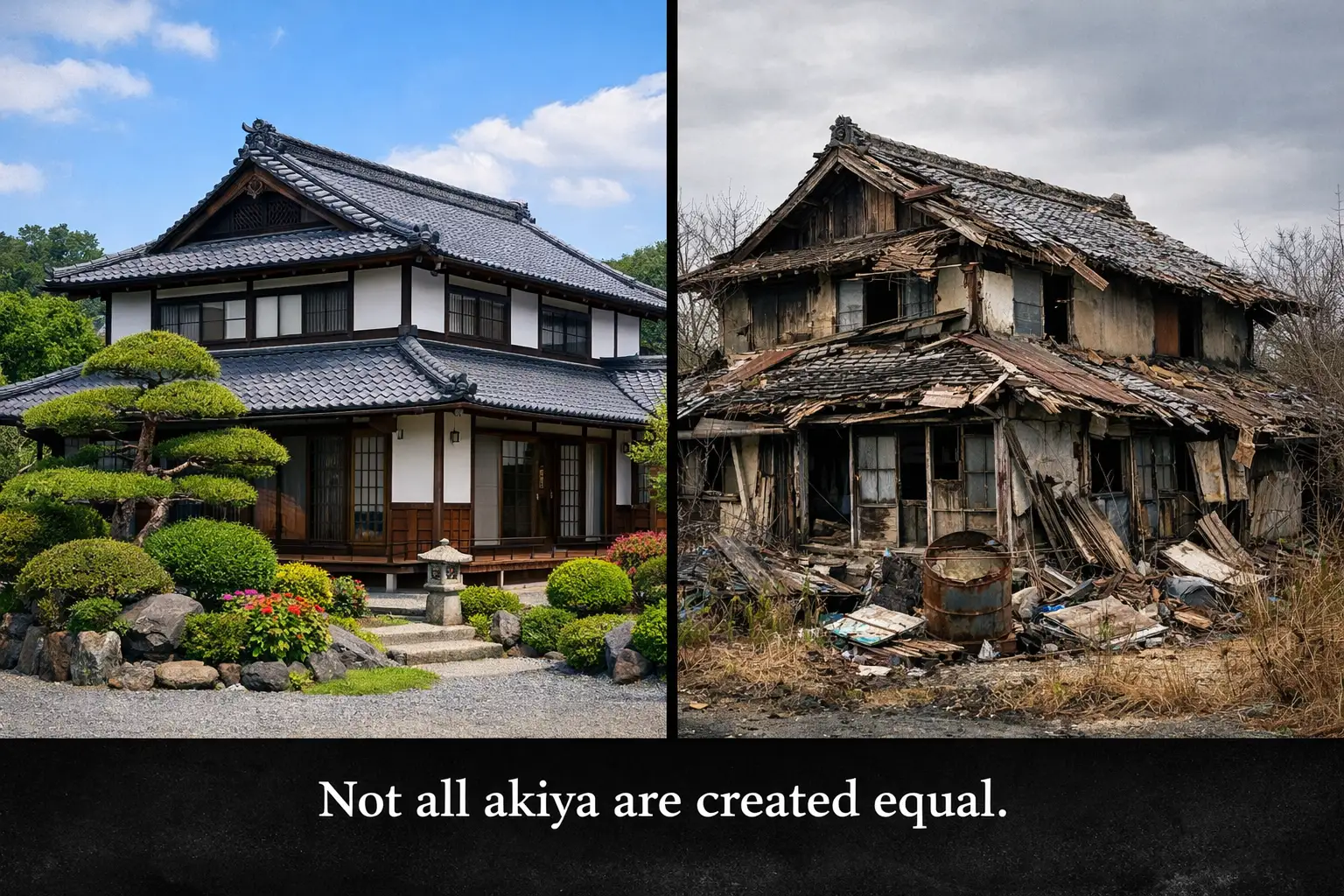
This means a "cheap house" might really be cheap land with a free structure on top. Sometimes that structure is a gem. Sometimes it's a teardown. You need to know which one you're looking at.
The akiya phenomenon
Japan has over 9 million empty houses, called "akiya" (空き家). That's roughly 14% of all housing stock. The reasons are demographic: Japan's population is shrinking and aging, young people move to cities, and inherited rural homes sit empty for decades.
For foreign buyers, this creates genuine opportunities. You can find habitable homes for ¥500,000 (around $3,500) in rural areas. Some municipalities even give them away for free. But "free" comes with strings — renovation costs, community obligations, and sometimes properties that are more burden than bargain.
The language barrier is real
Most of the property buying process in Japan happens in Japanese. Contracts are in Japanese. Negotiations happen in Japanese. The municipal office staff who handle your registration speak Japanese.
You'll need either strong Japanese language skills or a bilingual real estate agent. There are several agencies that specialize in helping foreign buyers. Budget for this — it's not optional, it's essential.
How to buy property in Japan, step by step
Here's what the journey actually looks like, from first search to keys in hand.
Step 1: Figure out what you want and where
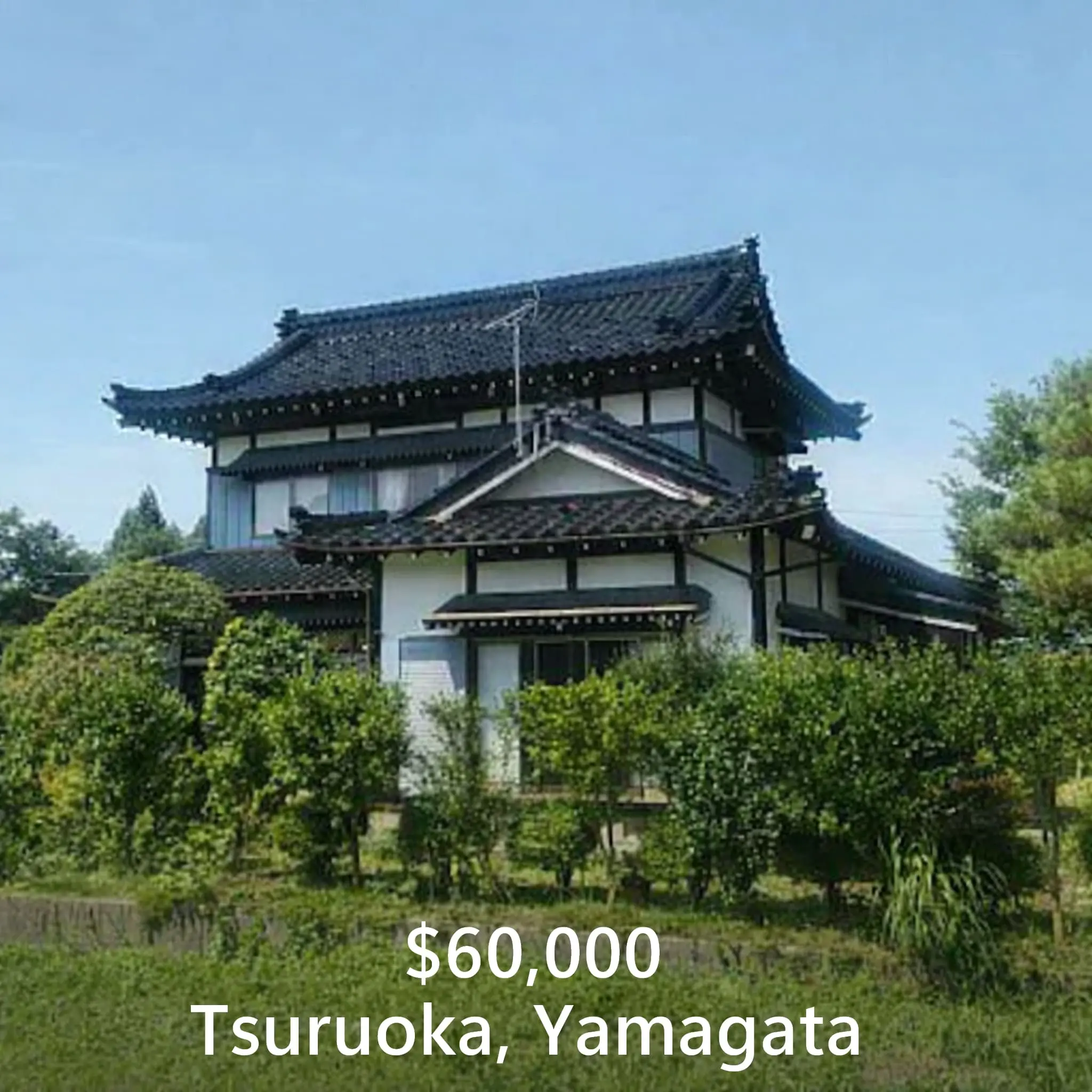
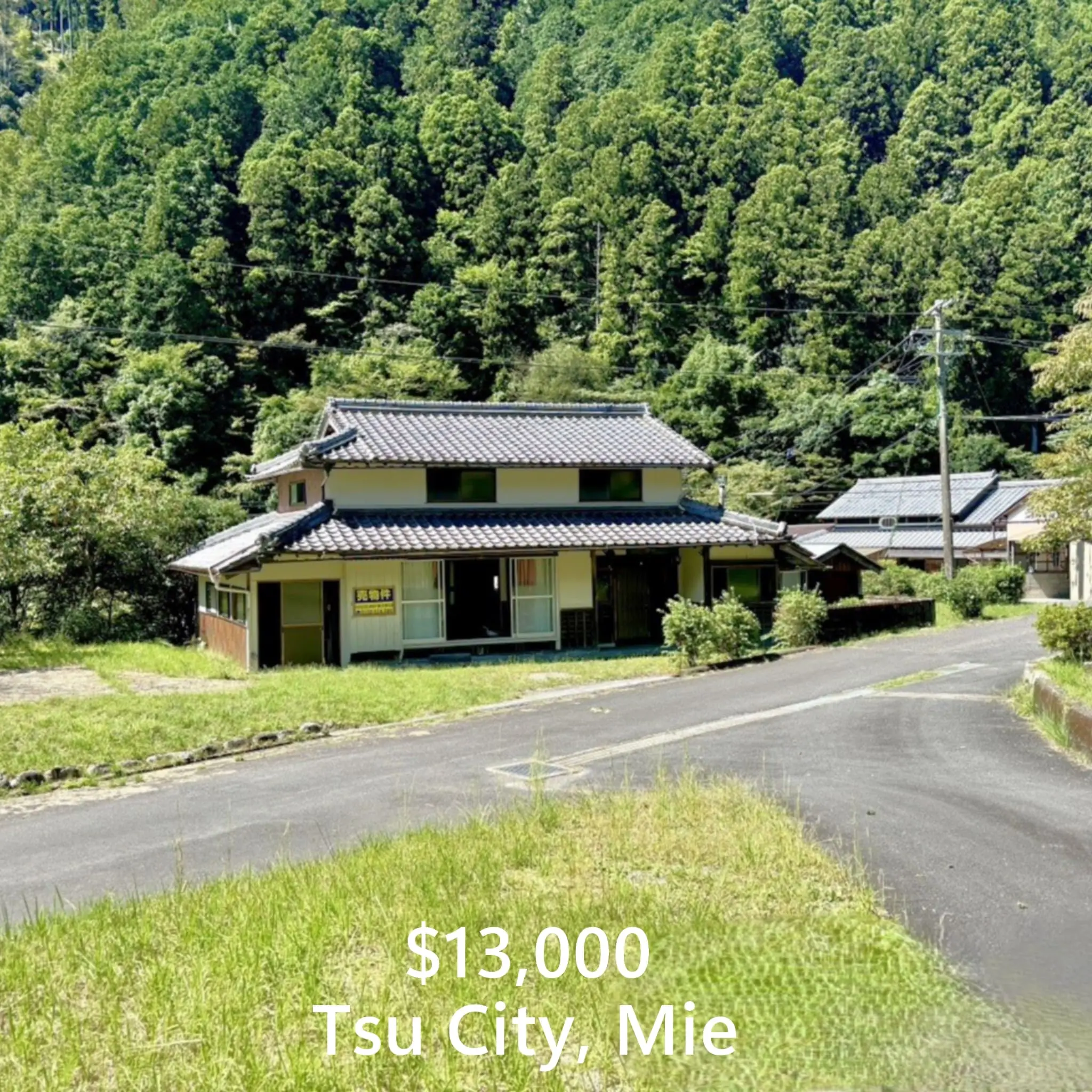
Before you buy property in Japan, know that the country has 47 prefectures and the market varies wildly between them. A 4-bedroom house in rural Shimane might cost ¥3 million ($20,000). A similar property near Tokyo could be ¥30 million ($200,000).
Think about what matters to you: proximity to a train station? A garden? Mountain views? Access to an international school? A specific climate? Japan offers all of these, but rarely in the same place.
Our Japan Prefecture Finder helps you narrow down which prefectures match your priorities — from climate and cost of living to healthcare access and transport links.
Step 2: Search for properties
There are several ways to find properties in Japan:
Major real estate portals like Suumo, Homes.co.jp, and AtHome list hundreds of thousands of properties. They're primarily in Japanese, but browser translation tools make them usable.
Akiya banks are local government databases of vacant houses. There are hundreds of them across Japan, each run by a different municipality. Some are online, some require a phone call. Finding them and navigating them is one of the biggest frustrations for foreign buyers.
The Akiya Labs Akiya Bank Directory maps 730+ akiya banks across all 47 prefectures, with direct links and English-language flags where available.
Step 3: Visit the property (seriously, do this)
I know it's tempting to buy sight unseen, especially when a house costs less than a used car. Don't.
Photos don't show you the smell of mold in the tatami room. They don't show you the 45-degree slope behind the house that turns into a waterfall during rainy season. They don't show you that the "nearby convenience store" is a 40-minute drive.
If you absolutely can't visit in person, hire a local agent or property inspector to go on your behalf. Many agencies now offer video walkthroughs. It's not perfect, but it's vastly better than nothing.
Step 4: Make an offer and sign the contract
Once you've found the one, the process moves like this:
Purchase application (購入申込書): You submit a formal offer. This isn't legally binding yet, but it signals serious intent.
Important matters explanation (重要事項説明): A licensed agent walks you through the property's legal status, zoning, structural condition, and any known issues. This is legally required and usually takes 1–2 hours. It's in Japanese, so bring your translator.
Sales contract (売買契約): You sign the contract and pay a deposit, typically 5–10% of the purchase price. From this point, backing out costs you the deposit.
Step 5: Pay and register
On settlement day, the remaining balance is transferred. A judicial scrivener (司法書士) handles the ownership transfer registration at the Legal Affairs Bureau. This is the person who makes it official.
If you're a non-resident, you'll typically pay by international wire transfer. The funds usually go into an escrow account managed by the scrivener or agency, not directly to the seller.
The whole process from offer to keys typically takes 1–3 months, depending on complexity.
The costs nobody talks about
The purchase price is just the beginning. Here's what else you're paying for.
Upfront costs
Agent commission: Up to 3% of the purchase price plus ¥60,000 plus tax. On a ¥5 million property, that's roughly ¥220,000.
Registration and stamp duties: Varies, but budget ¥200,000–¥500,000 for a typical residential purchase.
Judicial scrivener fees: ¥50,000–¥150,000 for the ownership transfer.
Real estate acquisition tax: A one-time prefectural tax. For residential properties, it's reduced but still a few hundred thousand yen.
Ongoing costs
Fixed asset tax (固定資産税): Every property owner in Japan pays this annually, calculated as the assessed value multiplied by 1.4%. For a rural akiya, this could be as low as ¥30,000–¥50,000 per year. For properties in urban areas, it's significantly more.
City planning tax (都市計画税): An additional 0.3% in designated urban planning zones.
Maintenance: An empty house deteriorates fast in Japan's humid climate. Budget for annual inspections, garden maintenance, and minor repairs — or hire a property management company.
The Akiya Labs Budget Calculator helps you estimate the total cost of ownership including purchase price, taxes, renovation, and ongoing maintenance.
The renovation trap
This is where most people's budgets go sideways. A ¥1 million house that needs ¥10 million in renovation is not a ¥1 million house. It's a ¥11 million house.
Common renovation needs for akiya include: termite treatment, earthquake retrofitting (especially for pre-1981 buildings), roof repair, bathroom and kitchen replacement, rewiring, replumbing, insulation, and mold remediation.
A realistic budget for a full renovation of a typical akiya is ¥5–10 million ($35,000–$70,000). For a move-in ready akiya that only needs cosmetic work, you might get away with ¥1–3 million.
The single best piece of advice I can give: hire a building inspector before you buy. ¥50,000–¥100,000 for an inspection could save you millions in unexpected costs.
Taxes and legal pitfalls to watch for
The "6x tax" rule
Here's something most guides don't mention: if your property is designated as a "tokutei akiya" (特定空き家) — meaning the local government considers it neglected or dangerous under the 空家等対策特別措置法 — your land tax exemption gets revoked. That can increase your fixed asset tax by up to 6x.
The law was tightened in 2023, and a new category called "management-deficient akiya" (管理不全空き家) was introduced as an intermediate step. Even if your house isn't falling apart, failing to maintain it properly can trigger this.
The takeaway: if you buy an akiya, you need to maintain it. Letting it sit and rot is not just irresponsible — it's expensive.
Inheritance registration is now mandatory
Since April 2024, Japan requires inherited property to be registered within three years. Failure to comply results in fines up to ¥100,000. This matters to you because some akiya have unclear ownership due to decades of unregistered inheritance. Make sure the title is clean before you buy.
Owning property doesn't give you a visa
This catches people off guard. Buying a ¥50 million mansion in Karuizawa does not grant you residency. Japan has no investor visa tied to property ownership. If you want to live in your new home, you'll need a separate visa — work visa, spouse visa, business manager visa, or similar.
You can absolutely own the property and visit on tourist stays (up to 90 days for most nationalities), but living there full-time requires immigration paperwork independent of your real estate.
Financing: cash is king, but there are options
Most foreigners who buy property in Japan from overseas use cash via international wire transfer — it's by far the most common and straightforward method. Japanese banks generally don't lend to non-residents.
If you're a foreign resident in Japan with a valid visa and stable income, you may qualify for a mortgage. Interest rates in Japan are remarkably low — often 1–2% — but approval criteria are strict. Expect to provide extensive documentation and potentially face higher down payment requirements than Japanese nationals.
Some foreign-focused agencies have started offering financing packages, but these are still relatively new and often come with higher rates.
Hazards and due diligence
Japan is a country of earthquakes, typhoons, flooding, and landslides. Any property you buy should be evaluated for natural hazard exposure.
Earthquake resistance: Buildings constructed before 1981 were built under older seismic codes. Post-1981 buildings meet the "shin-taishin" (new earthquake resistance) standard. Pre-1981 properties will likely need retrofitting.
Flood and landslide zones: Japan publishes detailed hazard maps (ハザードマップ) for every municipality. Check them. A beautiful riverside property might be in a designated flood zone.
Soil stability: Mountainside properties and reclaimed land carry additional risks.
The Akiya Labs Property Hazard Score combines national hazard data into a single score for any address in Japan, so you can assess risk before committing.
Subsidies and incentive programs
Here's the good news: many Japanese municipalities are desperate to attract new residents and will pay you to move there.
Renovation subsidies: Up to ¥1 million toward akiya renovation costs.
Relocation grants: Cash payments for families who move from urban to rural areas.
Child-rearing incentives: Monthly allowances, free childcare, or education support in depopulated areas.
Trial living programs: Free or subsidized short-term stays so you can experience life in the area before committing. The JOIN portal lists programs across Japan.
These programs change frequently and are almost always in Japanese only. The best approach is to contact the local municipal office (市役所 / 町役場) directly, ideally with a Japanese speaker.
Remote ownership: making it work from abroad
Many foreign akiya buyers don't live in Japan full-time. That's fine, but it means you need systems in place.
Tax representative: Non-residents must appoint a tax agent in Japan to handle property tax payments.
Property management: Someone needs to check on the house periodically, handle mail, manage repairs, and deal with neighbors. Property management companies in rural Japan charge ¥5,000–¥15,000 per month.
Utilities: Setting up water, gas, and electricity requires a Japanese contact or management company, especially if you don't have a Japanese bank account.
It's absolutely doable. Thousands of foreign owners manage properties in Japan remotely. But going in without a plan is how houses get neglected, and neglected houses attract the "tokutei akiya" designation we talked about earlier.
Is it worth it?
That depends entirely on what you're looking for.
If you want a speculative investment that appreciates year over year, rural Japanese property is probably not it. These houses depreciate, and resale in remote areas can be slow to nonexistent.
If you want a vacation home in one of the most beautiful countries on earth, a creative project, a base for exploring rural Japan, or simply the satisfaction of rescuing a piece of Japanese architectural heritage — then yes, it can absolutely be worth it.
The people I've seen happiest with their akiya purchases are the ones who went in with realistic expectations, did their homework, and treated the process as an adventure rather than a transaction.
Frequently asked questions
How much does it cost to buy a house in Japan as a foreigner?
It depends enormously on location. In rural areas, you can find akiya for as little as ¥500,000 ($3,500). A livable house in a regional city typically starts around ¥3–5 million ($20,000–$35,000). Near major cities, expect ¥15–30 million and up. On top of the purchase price, budget an additional 6–10% for fees, registration, and taxes. And if renovation is needed, that can easily equal or exceed the purchase price.
Do I need a visa to buy property in Japan?
No. You don't need any visa or residency status to purchase real estate in Japan. You can buy from overseas without ever setting foot in the country. However, owning property does not grant you a visa. If you want to live in Japan full-time, you'll need to obtain a visa through separate immigration channels.
Can I get a mortgage in Japan as a foreigner?
If you're a non-resident living outside Japan, getting a Japanese mortgage is extremely unlikely. Most foreign buyers pay cash via international wire transfer. If you're a foreign resident in Japan with a valid visa and stable employment, some Japanese banks will consider your application. Interest rates are low (1–2%), but the approval process is strict.
What is an akiya bank?
An akiya bank (空き家バンク) is a database of vacant houses maintained by a local municipality. It's not a financial bank — it's a matchmaking service between owners of empty houses and potential buyers or renters. There are hundreds across Japan, each covering a specific city, town, or village. Most are in Japanese only.
Are there any restrictions on what foreigners can buy?
Almost none. You can buy residential, commercial, and most types of land without restriction. The main exception is agricultural land, which requires approval from the local Agricultural Committee. Since April 2025, rules around foreign acquisition of farmland have been tightened, with requirements varying by prefecture.
How much are property taxes in Japan?
The main tax is the fixed asset tax (固定資産税), set at 1.4% of the assessed value. With the residential land reduction, the effective rate is much lower. For a typical rural akiya, annual taxes might be ¥30,000–¥80,000 ($200–$550). In urban areas, significantly more. Urban planning zones also pay an additional 0.3% city planning tax.
Can I rent out my property in Japan as a foreigner?
Yes, but there are rules. Standard long-term rental is straightforward. Short-term rental (Airbnb-style) is regulated under the minpaku (民泊) law, which limits rentals to 180 days per year unless you're in a designated special zone.
What happens if I neglect my property?
If your property deteriorates to the point where it's considered dangerous, the municipality can designate it as a "tokutei akiya." This revokes your residential land tax exemption, potentially increasing your fixed asset tax by up to 6 times. In extreme cases, they can order demolition at your expense.
Is buying an akiya a good investment?
It depends on your definition of "investment." If you're looking for capital appreciation, rural Japanese property is generally not the place. But if your goal is a low-cost vacation home, a creative renovation project, or simply a base in Japan — the value proposition can be excellent. The key is realistic expectations and a solid understanding of total costs.
Ready to start looking?
10 hand-picked properties under ¥26M every week. Interactive maps. Direct links to original listings.
Budget Calculator · Prefecture Finder · Akiya Bank Directory · Property Hazard Score · Neighbourhood Score
About Akiya Labs: We help foreigners navigate Japanese real estate with curated listings, research tools, and honest information. No fluff, no hype — just the stuff you actually need to know.