Today's map isn't enough. You need to see what the area will look like in 2–5 years.
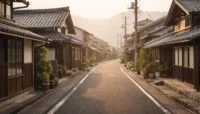
A cheap home can look fine today
But the local school might be closing next year. The nearest hospital could be merging with one 40 minutes away. An area losing services is an area losing value — and livability.
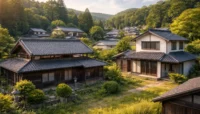
A quiet town might become more attractive
A new train station, a hospital opening, a retail hub being built — these change everything about daily life in a neighbourhood. This tool shows you what's coming before prices reflect it.
Listing photos won't tell you this
No listing mentions that the daycare down the street is shutting down, or that a shopping center is opening 10 minutes away. This is the information gap the Future Map fills.
Check any location in three steps
Go to the property's area
Navigate to the neighbourhood you're considering. Development markers load automatically as you zoom in — no searching required.
Read the details
Tap any marker to see what's planned — the project name, category, address, whether it's opening or closing, and the expected date.
Translate & decide
Hit Translate for a full English card. Open in Google Maps to check the exact site. Understand what the area will look like in 2-5 years before you buy.
See if an area is growing, stable, or emptying out
Check any area instantly
Navigate to the area around a property you're considering. The map loads development data as you move — new schools, hospital closings, rail projects, all visible without searching.
Translate on demand
All data is in Japanese. Click Translate on any marker and the card flips to full English — title, address, category and development type.
Spot closings early
Filter by category to focus on what matters — is the local school closing? Is a hospital being built nearby? Focus on new openings, closings, or transport to get a clear picture.
Explore in context
Every marker links to Google Maps. Walk the street in Street View, check distances to the nearest station or supermarket, and understand the neighbourhood before visiting.
Smart clustering
Dense urban zones group into clusters automatically. Zoom in to reveal individual projects. The map stays readable from national overview to street level.
Regularly updated
The data is reviewed and updated on a regular basis — new projects added, cancelled ones removed. What you see reflects the latest available information.
A ¥1.8M house in rural Nagano. Looks perfect — but is it?
The listing looks great
3LDK, 15 min from a station, quiet neighbourhood, mountain views. Price: ¥1.8M. The photos are charming. You're tempted.
The local school closes
Enrollment dropped below 30 students. The municipality merges it with a school 25 minutes away by bus. Families with children stop moving in.
A new clinic opens 12 min away
A regional medical centre is being built in the neighbouring town. Elderly care access improves — a major factor for livability in rural Japan.
Bus route extended
The prefectural transport plan adds a direct bus line connecting the area to the nearest shinkansen station. Commute time drops from 50 to 30 minutes.
The full picture
The school closure is a concern if you have kids. But healthcare improves, transport gets better, and daily life becomes more practical. This context changes the decision — and none of it shows up on a listing page.
16 types of infrastructure, at a glance
Get access to the
full toolkit.
The Japan Future Development Map is included in Quarterly, Premium, and Lifetime plans — alongside every tool we build.
1 week access to explore.
✓ Prefecture Finder
✓ Property Hazard Score
✓ Akiya Bank Directory
✗ Future Development Map
✗ Neighbourhood Score
Full access, every quarter.
✓ Future Development Map
✓ Neighbourhood Score
✓ Weekly newsletter
✓ All 7 research tools
Save 50% vs quarterly.
✓ Full year of access
✓ All 7 research tools
✓ Priority support
✓ All future tools included
One payment, forever.
✓ Never pay again
✓ All guides included
✓ All future tools
✓ All future updates
Secure payment via Stripe · Cancel anytime